


Dental Crowns in Shoreline, WA: Same‑Day vs. Lab‑Made, Materials, and How Long They Last
January 21, 2026 9:00 amIf you’ve been told you need a dental crown — maybe to fix a cracked tooth, replace a large filling, or strengthen a worn molar — it’s normal to have a few questions. What’s the difference between same‑day and lab‑made crowns? Does the material really matter? And how long should you expect a crown to last?
At Mountain to Sound Dental in Shoreline, WA, Dr. Megan Jones, Dr. Abigail Mazon, and Dr. Brian Mills work with patients on these very questions every day. A dental crown is a reliable, time‑tested way to restore a tooth, and knowing your options helps you make a decision that fits your needs and your life.
Let’s walk through how crowns are made, what they’re made of, and what you can expect down the line.
What a Dental Crown Actually Does
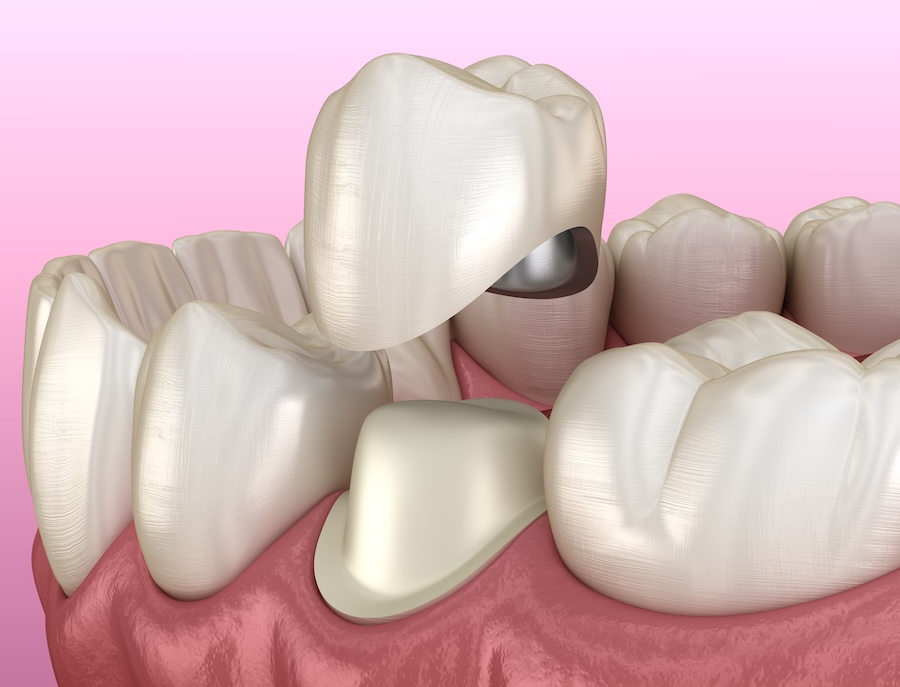
A crown is a protective cap that covers the visible part of a tooth. When a tooth has significant damage — from decay, cracks, or a large filling — the crown restores strength and shape so you can chew comfortably and protect the remaining tooth structure from further wear.
Crowns can be made in one visit or across two visits. The choice often comes down to timing, technique, and individual needs rather than one method being universally “better” than another.
Same‑Day Crowns: Finished in One Visit
Thanks to modern CAD/CAM technology, many crowns can be completed right here in the office.
What typically happens:
The dentist prepares your tooth.
A digital scan is taken instead of a traditional impression.
A milling machine creates the crown while you wait.
The dentist fits and bonds it — and you walk out with it in place.
Most same‑day crowns are ceramic, and they’re a solid choice for many routine crown needs. The biggest advantage is convenience: you leave with your crown the same day you start.
Lab‑Made Crowns: Crafted by Specialists
With a lab‑made crown, your tooth is prepared and scanned or molded, and you wear a temporary crown while the final one is created at a dental lab. You then return for a second appointment to have the finished crown fitted.
A lab setting allows experienced dental technicians to shape, layer, and polish materials in ways that can sometimes offer a bit more nuance, particularly when color matching or subtle contours matter. For certain cases — like a visible front tooth or a tooth that needs a very specific fit — this can be an advantage.
Both methods — same‑day and lab‑made — can produce excellent outcomes. The best choice depends on how the tooth is situated, how it functions in your bite, and what goals you have for appearance and durability.
Crown Materials: What They’re Made Of
There are a few common materials used for crowns, and each has strengths:
Ceramic / Porcelain: These resemble natural tooth enamel and resist staining, so they’re often chosen for visible areas of your smile.
Zirconia: A very strong material that’s also tooth‑colored. Zirconia holds up well in back teeth where chewing forces are higher.
Porcelain Fused to Metal: These have a metal core with porcelain layered over them. They’re strong and long‑lasting, though a thin line of metal can sometimes show near the gumline over time.
Gold or Metal Alloys: Metal crowns don’t look like natural teeth, but they’re extremely durable and friendly to the opposing teeth. They’re often reserved for areas where strength is the top priority.
Your dentist — Dr. Jones, Dr. Mazon, or Dr. Mills — will help you choose a material based on where the crown goes, how you use that tooth, and what you want it to look like.
How Long Do Crowns Last?
There isn’t an exact lifespan for every crown, but many patients see strong, comfortable performance for years.
Many crowns function well for 8–15 years
With regular care, some last 15+ years
In cases with excellent maintenance and favorable conditions, crowns may even go 20+ years
Factors that influence longevity include:
Oral hygiene: Regular brushing and flossing, along with routine checkups, helps keep decay from forming at the edge of the crown.
Bite habits: Grinding or clenching can wear on a crown more quickly; a nightguard may help protect against that.
Material selection: Some materials, like zirconia or metal, tend to last longer under heavy chewing forces.
None of this guarantees a specific number of years, but good habits and routine dental care give you the best chance of long‑lasting results.
Which Crown Type Makes Sense for You?
Here’s a way to think about it:
Consider same‑day crowns when:
You prefer to complete the process in one visit
The tooth doesn’t have complicated shape or color needs
You want a dependable solution without a second appointment
Consider lab‑made crowns when:
You’re focused on a very specific color match or detailed contours
The tooth plays a key role in your smile’s appearance
You’re okay with a temporary crown and a second visit
There’s no “one size fits all,” but talking through your goals with Dr. Jones, Dr. Mazon, or Dr. Mills makes it easier to land on the right approach.
After Your Crown Is Placed
It’s normal to notice the crown with your tongue at first — it’s new, and your mouth is getting used to the shape. Most people adjust quickly and are chewing normally within a day or two.
If you notice sensitivity to hot or cold soon after placement, it usually settles as the tooth calms down. If discomfort persists or your bite feels uneven, reach out so your provider can check the fit.
Dental Crowns at Mountain to Sound Dental in Shoreline, WA
Crowns are a dependable way to restore strength and function to a damaged tooth. Whether it’s done in one visit or across two, what matters most is how well the final restoration fits in your mouth and supports your daily life.
If you’re weighing options or want to talk through which type of crown and material suit your situation, call Mountain to Sound Dental. Dr. Megan Jones, Dr. Abigail Mazon, and Dr. Brian Mills can help you understand what’s involved and build a treatment plan that fits your goals.
Schedule a consultation today — let’s make sure your restored tooth feels good, works well, and lasts.
Contact UsCategorised in: Dental Crowns
