


Dental Crowns vs Fillings in Shoreline, WA: How to Know What Your Tooth Actually Needs
March 31, 2026 9:00 amIt usually starts the same way. Something doesn’t feel quite right—a spot that catches food, a tooth that’s more sensitive than it used to be, or a filling that’s been there for years and is starting to wear down. It’s not always painful, but it’s enough to notice.
You come in expecting a simple fix, and then the question comes up: does this need a filling, or does it need a crown? Both are common, both restore teeth, but they’re used at different points depending on how much of the tooth is still holding up.
At Mountain to Sound Dental in Shoreline, WA, that’s something we walk through during your visit so you understand what’s going on and what will make sense long term—not just what works right now.
Dental Crowns vs Fillings: What’s the Difference?
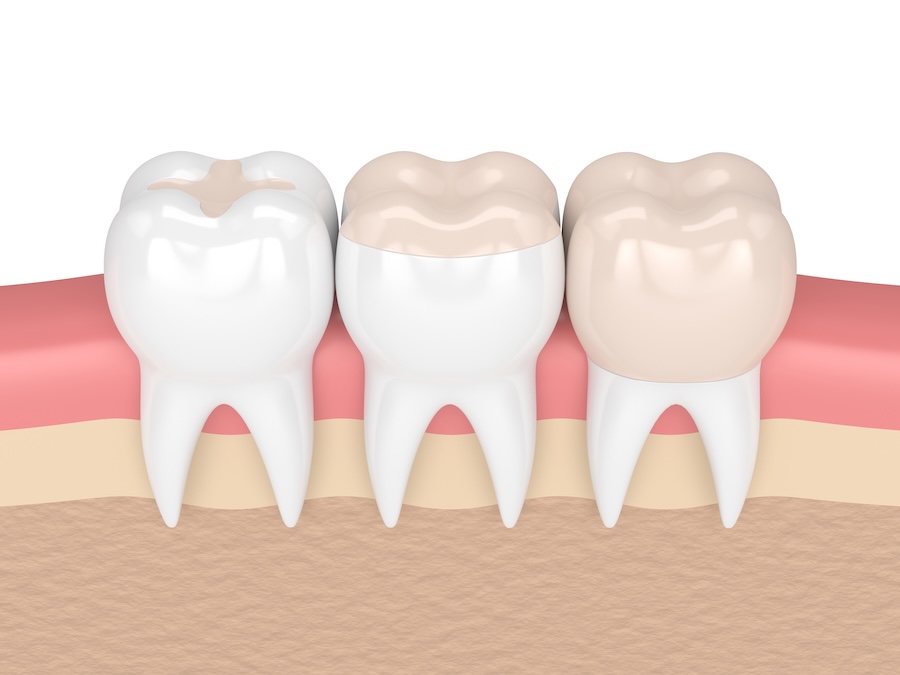
A filling and a crown both repair damaged teeth, but they do it in different ways, and that difference matters.
A filling is used when the damage is more contained. The decayed or weakened portion is removed, and the area is filled, leaving most of your natural tooth in place. It’s a way of reinforcing a specific spot without changing the overall structure of the tooth.
A crown, on the other hand, covers the entire tooth. It’s used when the remaining structure needs more support than a filling can provide—whether that’s due to a larger cavity, a crack, or a tooth that’s been repaired multiple times already. Instead of patching one area, it protects the tooth as a whole.
These decisions often come up during a comprehensive dental exam, where we’re looking not just at the problem area, but at how the entire tooth is functioning.
When a Filling Is Enough
Fillings are usually the more conservative option, and when the situation allows for it, they tend to work well and last a long time.
They’re typically recommended when the cavity is relatively small, most of the tooth is still strong, and there aren’t signs that the tooth is starting to weaken or crack. In those cases, removing the decay and placing a filling is enough to restore the tooth without needing to do anything more extensive.
This is often what happens during a routine cleaning and exam. Something small is caught early, treated in one visit, and doesn’t need to turn into a bigger conversation later.
When a Crown Makes More Sense
There are situations where a filling might technically work in the short term, but it wouldn’t be the most reliable option over time.
A crown is usually recommended when a larger portion of the tooth has been compromised, when there are cracks or signs of structural weakness, or when an existing filling has already been replaced multiple times and there isn’t much natural tooth left to support it. Teeth that have had root canal treatment also often benefit from crowns because they tend to be more brittle.
In those cases, the goal shifts. It’s less about fixing one spot and more about protecting what remains of the tooth so it can handle everyday use without continuing to break down. During a restorative dentistry consultation, we’re looking at how that tooth is likely to hold up—not just today, but a few years from now.
Why the Recommendation Can Change Over Time
It’s not uncommon for a tooth that once needed a filling to later need a crown, and that shift can feel unexpected if you remember it being “minor” before.
What’s usually happening is that the tooth itself has changed. A cavity may have gotten larger, an older filling may have expanded over time, or small fractures may have developed from years of use. Even normal chewing forces can take a toll, especially on teeth that have already been repaired.
So when the recommendation changes, it’s not about doing more for the sake of it. It’s about responding to what the tooth looks like now and what it needs to stay functional.
What the Process Looks Like
The process depends on which option you need, and we make sure you know what to expect before getting started.
For a filling, treatment is typically completed in a single visit. The area is cleaned out, the filling is placed, and the tooth is shaped so your bite feels natural. It’s straightforward and doesn’t usually require much follow-up.
For a crown, the process takes a bit more time. The tooth is first prepared and shaped, and a temporary crown is placed while the final one is being made. At a second visit, the permanent crown is placed and adjusted so it fits comfortably with your bite. If it’s your first crown, we’ll walk you through each step so you know what’s coming.
How Long Do Crowns and Fillings Last?
Both crowns and fillings can last for many years, but they wear differently depending on how much of the tooth they’re supporting and how much force they handle.
Fillings tend to wear down or need replacement sooner, especially when they cover a larger area. As fillings get bigger, they rely more on the remaining tooth structure, which can weaken over time.
Crowns are designed to provide more complete coverage and support, which often makes them a better long-term option for teeth that have already been compromised. During your regular cleanings and exams, we check both to make sure everything is still holding up the way it should.
What Happens If You Wait Too Long?
When something is small, it’s usually easier to manage. As it progresses, the options tend to shift, sometimes more quickly than people expect.
A cavity that could have been treated with a filling may eventually require a crown if it grows or weakens the tooth. In more advanced cases, it can lead to the need for a root canal or even extraction if the damage goes far enough.
That’s why regular visits matter. Catching things early during a routine dental visit keeps treatment simpler and helps avoid more involved procedures later.
Dental Crowns vs Fillings in Shoreline, WA at Mountain to Sound Dental
At Mountain to Sound Dental in Shoreline, WA, Dr. Megan Jones, Dr. Abigail Mazon, and Dr. Brian Mills take a practical approach to treatment decisions. The focus is on what will hold up for your tooth over time and what makes sense based on your specific situation.
If something doesn’t feel quite right or you’ve been told you might need a filling or a crown, you can schedule a visit to take a closer look and talk through your options in a way that feels clear and manageable.
Contact UsCategorised in: Dental Crowns, Dental Fillings, Restorative Dentistry
