


Nightguard vs. Mouthguard in Shoreline: Which One Protects Your Teeth Best?
February 26, 2026 9:00 amAt first glance, a nightguard and a sports mouthguard can look almost identical. Both are custom-fit appliances that cover your teeth. Both are designed to protect your smile. Yet despite their similar appearance, they serve very different purposes.
Understanding that distinction matters. The type of protection your teeth need depends entirely on the kind of force they’re exposed to — slow, repeated pressure or sudden impact.
At Mountain to Sound Dental in Shoreline, WA, Dr. Megan Jones, Dr. Abigail Mazon, and Dr. Brian Mills help patients determine which appliance fits their specific risk factors and lifestyle. The right choice is less about preference and more about precision.
When a Nightguard Is the Right Choice
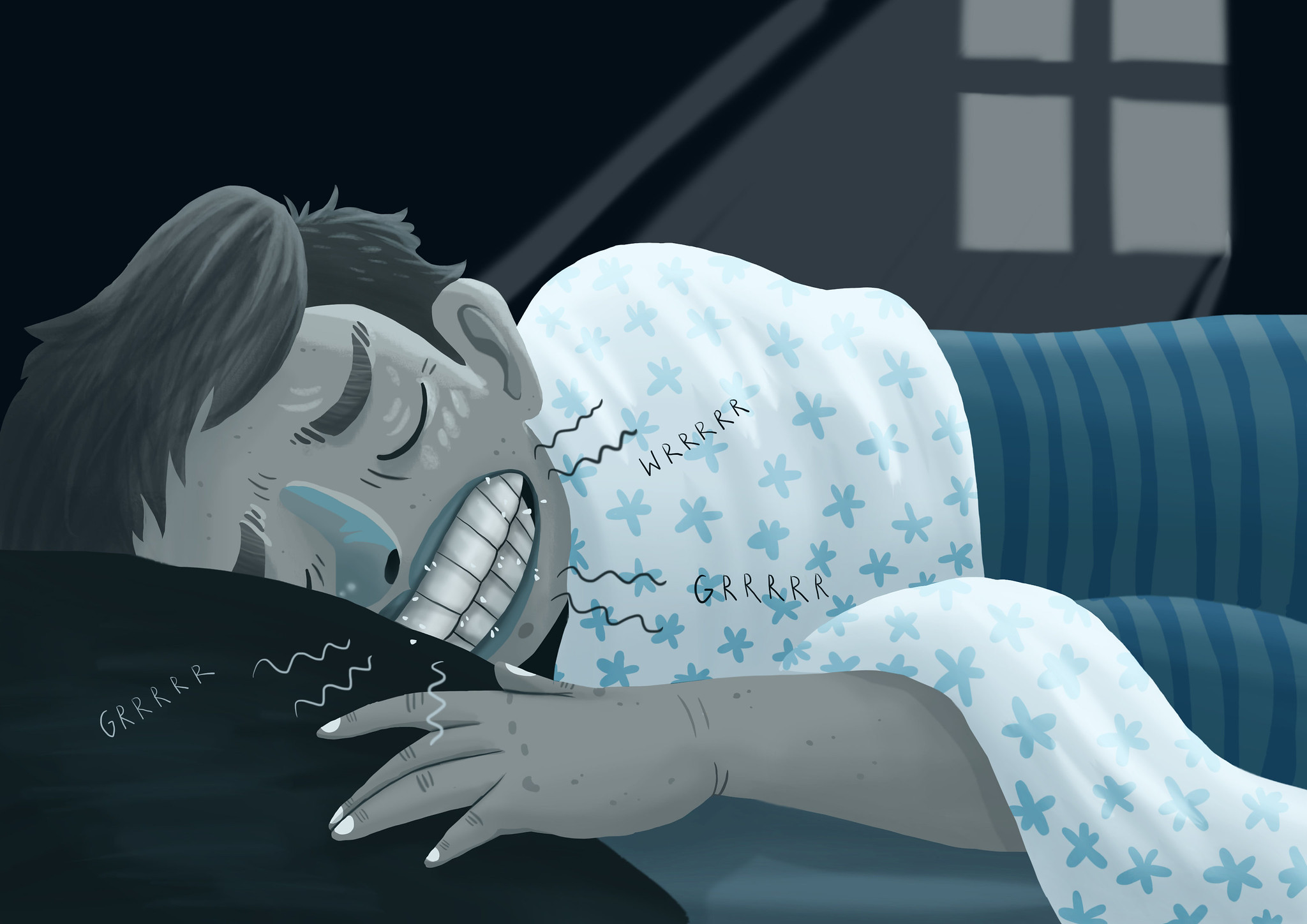
A nightguard is designed for people who grind or clench their teeth, most often during sleep. This condition, known as bruxism, typically develops gradually and often goes unnoticed for years.
Unlike a sports injury, grinding damage happens slowly. The force is repetitive and sustained, placing continuous pressure on enamel, restorations, and jaw joints. Over time, that pressure may lead to:
Flattened or worn tooth edges
Small fractures or cracks
Heightened sensitivity
Jaw soreness or tightness
Morning headaches
TMJ discomfort
A custom nightguard works by creating a protective barrier between the upper and lower teeth. Rather than eliminating grinding entirely, it absorbs and redistributes force so your natural enamel and dental work do not bear the full load.
For many patients, the benefit becomes clear within weeks. Jaw tension decreases. Morning discomfort softens. And perhaps most importantly, ongoing wear is prevented before it turns into structural damage.
When a Sports Mouthguard Is Essential
While a nightguard addresses chronic pressure, a sports mouthguard is built for sudden, high-impact force. Its job is not to manage alignment — it is to cushion shock and prevent dental emergencies.
Whether during basketball, football, skiing, martial arts, or even recreational cycling, a properly fitted sports mouthguard significantly reduces the risk of:
Chipped or fractured teeth
Knocked-out teeth
Soft tissue injuries
Jaw trauma
These appliances are thicker and specifically engineered to disperse impact energy. Because of that design, they are not suitable for overnight use. They serve an entirely different protective function. In short, a sports mouthguard is safety equipment — much like a helmet — and should be considered part of standard athletic preparation.
Why They Are Not Interchangeable
Although both appliances cover your teeth, they are not substitutes for one another.
A nightguard is crafted to accommodate your bite and withstand prolonged clenching. However, it is not built to absorb a direct blow.
Conversely, a sports mouthguard is designed for impact absorption. Wearing it overnight would not provide proper bite stabilization and could interfere with jaw positioning.
Protection is most effective when it matches the type of force involved. Using the wrong appliance may reduce effectiveness and increase risk.
Determining What You Need
So how do you decide? If you wake up with jaw tightness, notice flattening on your teeth, or experience tension headaches, those signs often point toward nighttime grinding. In that case, a custom nightguard is likely appropriate.
On the other hand, if you or your child participates in sports where contact, falls, or high-speed movement are possible, a sports mouthguard becomes essential — even in activities that do not seem traditionally aggressive.
Some patients require both. For example, an adult who grinds at night and plays weekend hockey would benefit from separate appliances tailored to each need.
The Advantage of Custom Fit
While over-the-counter guards are widely available, they are designed to fit a general mold rather than your specific bite.
A custom appliance from Mountain to Sound Dental offers several advantages:
Precise adaptation to your teeth
Improved comfort and retention
Enhanced durability
More reliable protection
An appliance that fits properly is more likely to be worn consistently. And consistency, in both grinding protection and sports safety, is what ultimately preserves your teeth.
Taking the Long View
Both grinding damage and sports injuries can result in extensive restorative treatment if left unaddressed. Cracked molars, fractured front teeth, and jaw strain often require crowns, root canals, or more complex care.
By contrast, a properly fitted nightguard or mouthguard is a preventive measure — one designed to protect your natural teeth before repair becomes necessary. When viewed through that lens, the choice becomes less about convenience and more about long-term preservation.
Nightguard vs. Mouthguard in Shoreline, WA
At Mountain to Sound Dental in Shoreline, WA, Dr. Megan Jones, Dr. Abigail Mazon, and Dr. Brian Mills evaluate bite patterns, jaw function, and lifestyle factors before recommending a protective appliance.
Nightguards protect against the cumulative effects of grinding. Sports mouthguards protect against sudden trauma. Each has a clear role, and when chosen appropriately, both help safeguard your smile for years to come.
If you are unsure which type of protection best fits your needs, schedule a consultation at Mountain to Sound Dental. A thoughtful evaluation today can prevent avoidable damage tomorrow.
Contact UsImage from Authority Dental under CC 2.0
Categorised in: Athletic Mouthguards, Custom Nightguards
