


Professional Teeth Whitening in Shoreline: When It’s the Right First Step for a Brighter Smile
July 14, 2026 9:00 amMost people do not wake up one morning and suddenly decide their teeth have changed color. It usually happens little by little. Coffee becomes part of the weekday routine, red wine shows up at dinner, and a few years pass before the smile in photos starts looking a bit less bright than remembered.
At first, whitening sounds easy enough. Pick a product, use it for a while, and wait for a brighter smile. Then the questions begin to pile up. Will it look natural? Will it make the teeth sensitive? Are store-bought strips enough? What happens if there is a crown or filling near the front?
At Mountain to Sound Dental in Shoreline, WA, Dr. Megan Jones, Dr. Abigail Mazon, and Dr. Brian Mills help patients sort through those questions before treatment starts. The office offers GLO Science® teeth whitening in both in-office and take-home versions, but the first conversation is still about the patient’s smile, not the product.
Professional Teeth Whitening in Shoreline: When It’s the Right First Step for a Brighter Smile
Professional whitening often makes sense when a patient is happy with the shape and position of their teeth but wants to improve the color.
Coffee, tea, red wine, tobacco, and natural aging can all leave the smile looking darker or more yellow over time. In those cases, whitening can create a visible change without reshaping the teeth or covering them with new material.
That makes it one of the simpler cosmetic options to consider. No enamel needs to be reduced, and nothing permanent is added to the tooth surface.
Still, not every color concern responds in the same way. A single dark tooth, gray discoloration, deeper internal staining, or visible dental work may call for a different approach. A consultation gives the dentists a chance to look at what is actually causing the color change instead of guessing based on a photo or a box of whitening strips.
Whitening Works Best When Color Is the Main Concern
A patient may come in saying they want whiter teeth, but sometimes color is only part of what they are noticing.
There may be a chipped edge, old bonding, uneven tooth shape, worn enamel, or a crown that no longer blends well. Whitening can improve the shade of natural teeth, but it will not change their shape or update older dental work.
When the teeth are healthy and staining is the main concern, professional whitening can be a very good place to begin. It may also help patients decide whether they still want other cosmetic treatment afterward.
Sometimes the brighter shade is enough. A patient may arrive expecting a longer list of changes and then realize that whitening gave the smile the lift they were looking for. Isn’t it nice when the easier option wins?
GLO Science Gives Patients More Than One Way to Whiten
Mountain to Sound Dental offers GLO Science whitening in the office and at home, so patients can choose the pace that fits them better.
The in-office treatment is designed for faster results and can brighten the smile in about an hour. That can be appealing before a wedding, reunion, work event, vacation, or any occasion that has suddenly made the camera roll feel much more important.
But, the take-home option lets patients whiten on their own schedule. Some prefer doing it in the evening, while others like being able to build toward their desired shade over time.
Patients can also combine the two. They may begin with in-office whitening for a stronger initial change, then use the take-home kit later for touch-ups. That approach can work well for anyone who enjoys coffee, tea, or red wine and has no plans to give them up forever.
What Makes GLO Science Different?
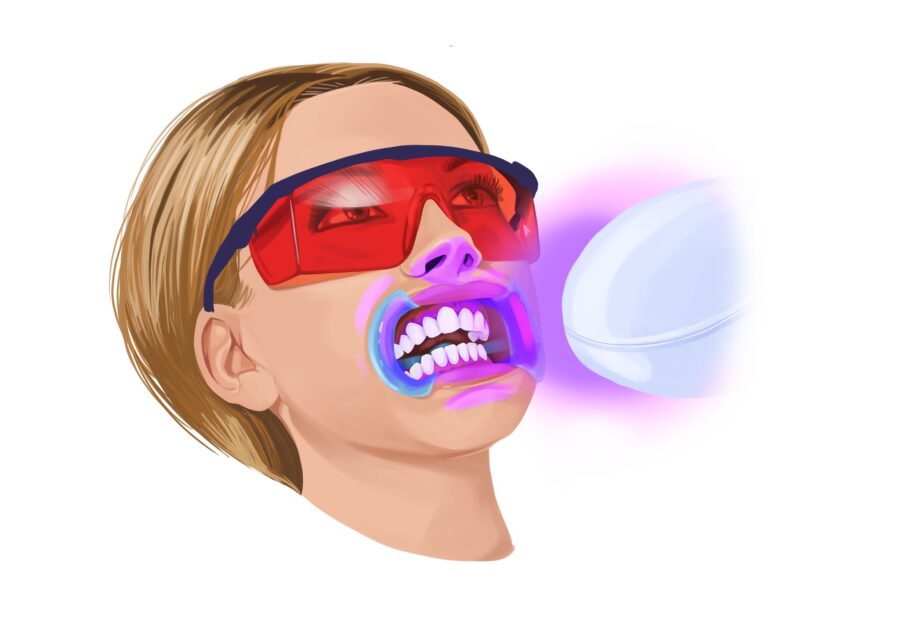
GLO Science combines professional-strength whitening gel with controlled warming LED light technology.
The warming light helps activate the gel, while the system is designed to reduce the sensitivity that can happen with some other whitening methods. Individual reactions still vary, of course, but many patients experience little to no sensitivity.
For someone who has tried whitening strips before and spent the next day avoiding cold water, that can be a welcome improvement.
Professional guidance also gives the dental team more control over the process. The dentists can look at the starting shade, discuss how much change is realistic, and recommend an approach based on the patient’s teeth rather than a one-size-fits-everyone set of directions.
A Healthy Mouth Comes Before Whitening
Before treatment begins, one of our dentists at Mountain to Sound Dental will check the teeth and gums.
This helps avoid whitening over an untreated cavity, an exposed root, a crack, or irritated gum tissue. Any of those can make the process much less comfortable.
A cleaning may also be recommended first if plaque, tartar, or surface staining is affecting the appearance of the teeth. Some patients are surprised by how much fresher their smile looks after a cleaning alone. Once the teeth and gums are healthy, the whitening plan becomes much easier to map out.
What Happens With Crowns, Fillings, Veneers, and Bonding
Whitening gel changes the color of natural teeth, but crowns, veneers, fillings, and bonding keep the shade they already have.
That may not be an issue when the dental work is farther back in the mouth. However, a crown or filling near the front can become more noticeable after the surrounding teeth lighten.
Sometimes a modest shade change keeps everything looking balanced. In other cases, the patient may whiten first and then replace visible dental work so it matches the new color.
It helps to talk through that sequence before treatment. Otherwise, a newly whitened smile can leave an older crown looking darker than expected, which is not exactly the reveal anyone had in mind.
When Whitening May Not Be the Best Place to Begin
Professional whitening works well for many types of staining, but some concerns need a different solution.
A tooth that darkened after an injury may respond differently from the rest of the smile. Gray or deeper internal discoloration can also be harder to brighten evenly. White spots may stand out more during the early stages of treatment before the overall shade begins to settle.
Patients with worn enamel, significant gum recession, or ongoing sensitivity may need another option as well. In those situations, the dentists can explain what is behind the color difference and whether bonding, Bioclear veneers, a crown, or another treatment would make more sense.
In-Office Whitening Is Helpful When Time Is Short
Some patients like a gradual process. Others have an event coming up and would rather not add “remember whitening trays” to an already crowded evening.
In-office GLO Science whitening offers a faster route. Treatment can produce a noticeable change in about an hour, and the team handles the application and timing in the office.
This option can work well before weddings, family photos, job interviews, reunions, or vacations. It also suits patients who simply prefer having the treatment completed in one place.
Planning ahead still helps. Teeth can look especially bright immediately after whitening because they are temporarily dehydrated, and the shade may soften a bit afterward. Giving the color time to settle before a major event makes the result easier to judge.
Take-Home Whitening Fits Around Real Life
Take-home GLO Science whitening gives patients more control over the pace. Instead of completing treatment in one appointment, patients whiten at home according to the schedule provided by the dental team. That can be easier for someone who prefers shorter sessions, wants to manage sensitivity more gradually, or likes doing things on their own time.
Our patients from Shoreline, North Seattle, Lake Forest Park, Edmonds, Mountlake Terrace, Kenmore, Richmond Beach, and nearby communities often like being able to whiten without coming back to the office for every session.
The take-home option can also be useful later. Once the initial result begins to fade, occasional touch-ups may help bring the brightness back without starting from the beginning.
Sensitivity Can Usually Be Managed
Sensitivity is one of the biggest questions people have before whitening. Some patients remember a sharp twinge from past strips or kits, while others already have sensitive teeth and assume whitening is off the table. GLO Science was designed with comfort in mind, and its controlled warming technology helps reduce the sensitivity associated with some other systems.
Even so, every patient responds differently. If someone already has sensitive teeth, the dentists may recommend shorter sessions, a different schedule, or toothpaste made for sensitivity.
Patients should also mention pain that seems limited to one tooth. General sensitivity during whitening is one thing, while a sharp response in one area may point to a crack, cavity, exposed root, or another concern that deserves a closer look.
How White Should Teeth Be?
A natural-looking shade is different for each person. Skin tone, age, enamel translucency, and existing dental work all affect how a brighter color looks. Some patients want a clear change, while others prefer something subtle enough that friends notice they look refreshed without immediately asking whether they whitened their teeth.
At Mountain to Sound Dental, Dr. Jones, Dr. Mazon, and Dr. Mills look beyond the number on a shade guide. They also consider how the color will look in regular daylight, in photos, and next to the patient’s skin tone and existing dental work.
A brighter smile should still look like the patient’s smile. It should not look as though the teeth were chosen from a completely different face.
How Long Will the Results Last?
Whitening results gradually fade as new stains collect, and the timing is different for everyone. Someone who drinks coffee throughout the morning may notice color returning sooner than a person who rarely has dark beverages. Tea, red wine, tobacco, cola, and richly colored sauces can also affect how long the brighter shade holds.
Good brushing habits and routine cleanings help remove surface buildup. Drinking water after coffee, tea, or wine may also reduce how long those pigments sit on the teeth.
Patients with a take-home GLO Science kit can use it for occasional touch-ups when recommended by the dental team. That can help maintain the result without repeating a full in-office treatment every time the smile starts looking a little dull.
Whitening Before Other Cosmetic Dental Work
Whitening often makes sense before veneers, crowns, bonding, or other cosmetic treatment involving visible teeth. New restorations are matched to the current tooth color. If a patient whitens afterward, the natural teeth may become lighter while the new restoration stays exactly the same shade.
By whitening first, the patient can reach the color they want and then have any new dental work matched to it. The teeth should also have time to settle after whitening so the dentist can choose the shade accurately. However, be sure to choose a shade you think you can maintain moving forward!
Sorting out the sequence early can save a lot of frustration and help everything blend more naturally.
Professional Whitening at Mountain to Sound Dental
Professional whitening may be a good first step for patients who like the shape and position of their teeth but want a brighter overall color.
At Mountain to Sound Dental, Dr. Megan Jones, Dr. Abigail Mazon, and Dr. Brian Mills offer GLO Science in-office and take-home whitening for patients in Shoreline and surrounding communities. The dentists can check the health of the teeth and gums, talk through the result the patient has in mind, and help decide whether whitening should come first or whether another option would better fit the smile.
Schedule a whitening consultation with Mountain to Sound Dental in Shoreline, WA, to learn which GLO Science option fits your schedule, your goals, and the way you want your smile to look.
Contact UsImage from Authority Dental under CC 2.0
Categorised in: Teeth Whitening
